ongoing
Governance and collective identity formation in precolonial and early colonial Rwanda

principal investigator / project leader
historian, political scientist, lecturer in German, specializies in issues of European integration, totalitarian regimes and transitional justice
Full bio project value: PLN 525,809
funding source: National Science Center
discipline: humanities, social sciences
location: Warsaw
duration: 2026 2027 2028 2029 2030
The project analyzes how people from the 19th century to the present day have represented, interpreted, and constructed the Abanyiginya system of government in line with their social and political agendas. It also contributes to a better understanding of current developments in the region.
Project funded by the National Science Center, project no. 2025/57/B/HS3/00075.
Background
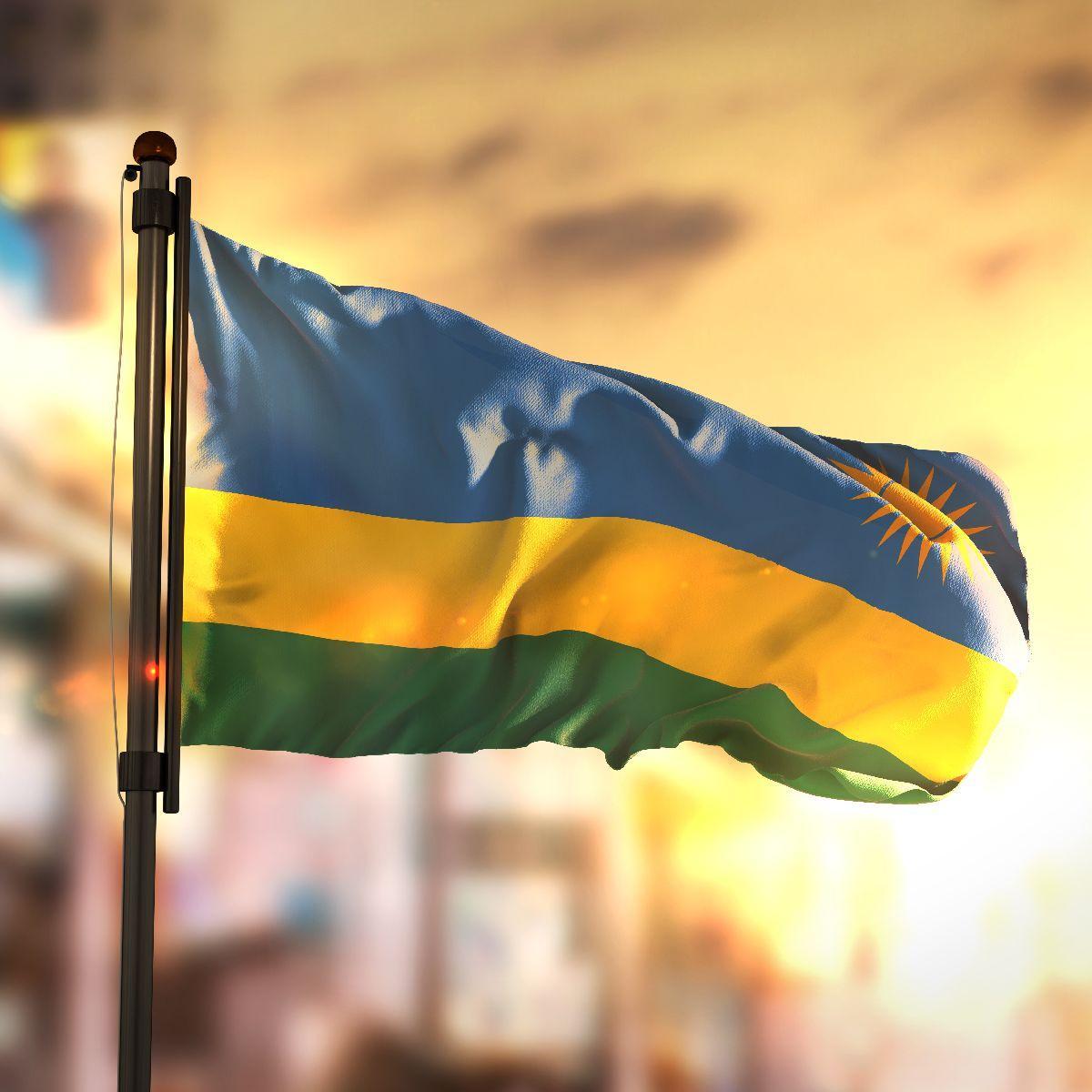
Long before the arrival of colonial powers in Central and East Africa, a kingdom was established in what is now southern Uganda, eastern Congo and Rwanda. At various times, it expanded and contracted, but its internal organization remained relatively stable over time and consisted of a complex system government, in which the king, his mother (and her uncles) and specialized advisors, not all of whom were appointed by the king (some could not be dismissed by him), shared power and formed a kind of constitution based on oral tradition.
To this day, most scientific and popular literature repeats outdated theories about ‘Hutus who farmed the land’ and ‘the Tutsi who raised cattle’, that these were deeply conflicted groups, and about the “centralized” or even ‘absolutist monarchy’ that ruled where Rwanda, southern Uganda and the eastern part of the Democratic Republic of Congo are located today. But in light of the sources, the area was ruled at the time by a dispersed, decentralized authority, whose territory was constantly changing and where the supposed ethnic identities of the Hutu, Tutsi and Twa were also variable and flexible. Where did these (European) ideas about power, identities and intergroup relations come from? Why did European travelers, anthropologists, colonists and, ultimately, the inhabitants of these areas and their elites interpret what they observed there in this way? It is the story of a great misunderstanding, the effects of which are still felt today by the inhabitants of the Great Lakes region.
Bachmann, Klaus
Principal Investigator
Specialization
historian, political scientist, lecturer in German, specializies in issues of European integration, totalitarian regimes and transitional justice
Role in the Faculty
{"funkcja-na-wydziale0":{"Funkcja":"","\u0141\u0105cznik":"","Nazwa w mianowniku":"Faculty of Social Sciences in Warsaw"}}
Role in the Department
{"funkcja-w-katedrze0":{"Funkcja":"","\u0141\u0105cznik":"","Nazwa w mianowniku":"Department of Politics and Public Policy"}}
Role in the Institute
{"funkcja-w-instytucie0":{"Funkcja":"","\u0141\u0105cznik":"","Nazwa w mianowniku":"Institute of Social Sciences"}}
First and last name
Klaus Bachmann
Academic degree or title
Professor
Email
This email address is being protected from spambots. You need JavaScript enabled to view it.
Discipline
political-science-and-public-administration
Role in the Research Center
{"funkcja-w-centrum0":{"Funkcja":"Head","\u0141\u0105cznik":"of the","Nazwa w mianowniku":"Center for the Study of History and Justice"}}
Professor Klaus Bachmannhistorian, political scientist, lecturer in German, specializies in issues of European integration, totalitarian regimes and transitional justice
Project Objectives
The project analyzes how people from the 19th century to the present day have represented, interpreted, and constructed the Abanyiginya system of government in line with their social and political agendas.
It also investigates grassroots, cross-border, and trans-ethnic resistance movements against this system. Because contemporary conflicts in the eastern part of the Democratic Republic of the Congo have their roots in these events, the project contributes to a better understanding of current developments in the region.
Methodology
The research draws on oral accounts recorded by missionaries, historians, and ethnographers, alongside unpublished oral history research from the 1980s and small-scale oral history projects currently underway. It also examines counter-narratives that emerged in the 19th century.